
7 Electrical Problems You Shouldn't Ignore
Why Your Lights Keep Flickering
Flickering lights can be more than just an annoyance. While an occasional flicker may be caused by something as simple as a loose bulb, frequent or persistent flickering can indicate a problem with your home’s electrical system.
From overloaded circuits and loose connections to outdated wiring and electrical panel problems, there are several reasons your lights may not be receiving consistent power.
Don’t ignore the warning signs. Understanding why your lights are flickering can help you identify potential electrical problems before they become more serious.
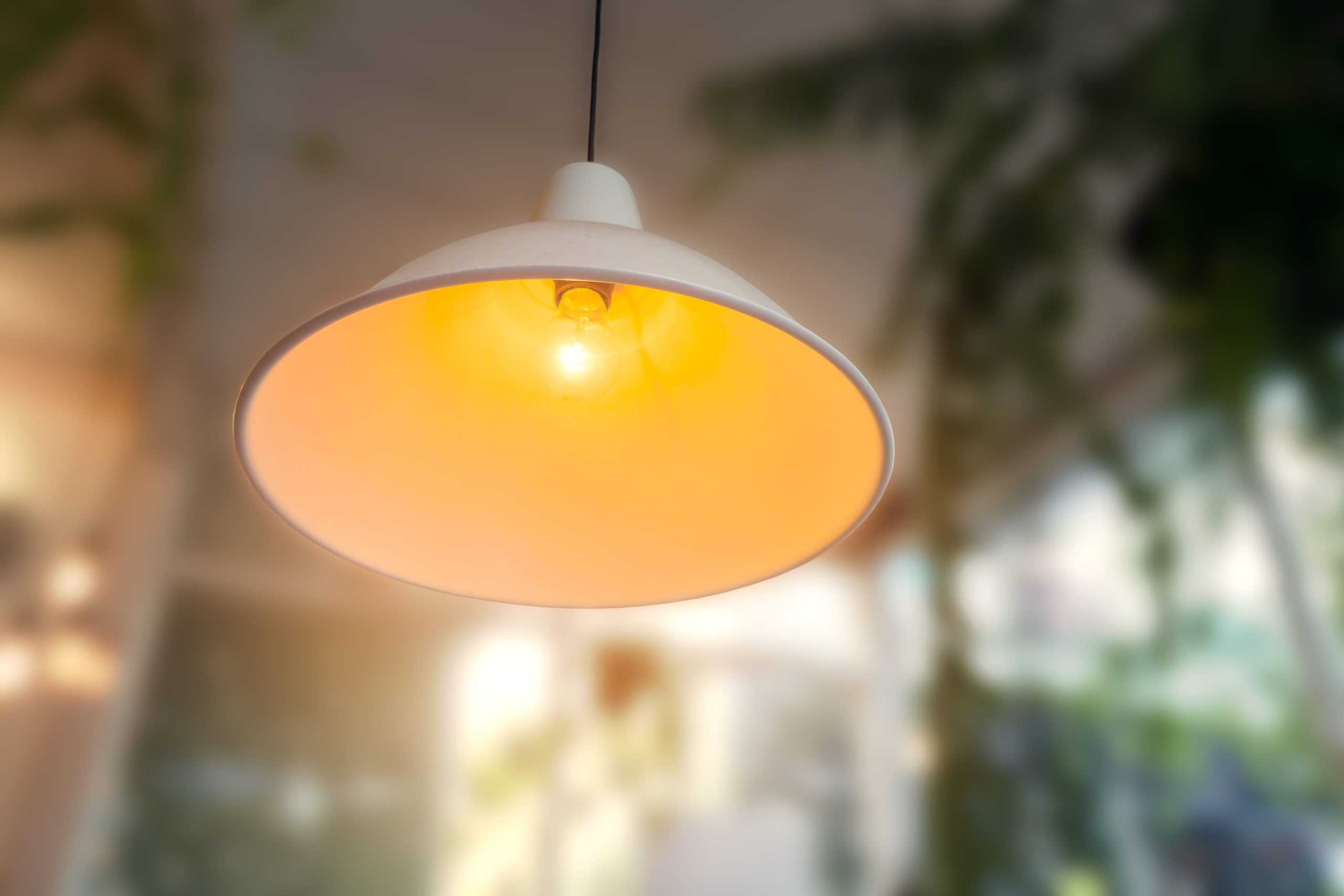
common causes homeowners should know about
What Causes Lights to Flicker?
Your home’s electrical system is designed to deliver consistent power throughout the house. When that power is interrupted or the system is struggling to meet demand, you may notice lights dimming, brightening, or flickering.
1. An Overloaded Circuit
One of the most common causes of flickering lights is an overloaded circuit.
Today’s homes use more electricity than ever. Air conditioners, refrigerators, microwaves, televisions, computers, entertainment systems, and other appliances can place significant demands on your electrical system.
If your lights flicker when a large appliance turns on, the circuit may be struggling to handle the electrical load.
An electrician can evaluate your circuits and determine whether the problem is an overloaded circuit, improper distribution of electrical loads, or a larger issue with your electrical system.
2. Loose Electrical Connections
Loose electrical connections can cause intermittent power problems and flickering lights.
Connections can loosen over time because of age, heat, vibration, or previous electrical work. A loose connection can also create heat, which can become a serious safety concern.
If flickering is accompanied by buzzing, crackling, burning odors, warm outlets, or discolored switches, don’t ignore it.
A professional electrician should inspect the affected circuit and determine the cause.
3. Outdated or Damaged Wiring
Older homes may have wiring that wasn’t designed to handle the electrical demands of modern appliances and technology.
Some warning signs of aging or damaged wiring include:
- Frequently flickering lights
- Frequently tripped circuit breakers
- Burning or unusual electrical odors
- Discolored outlets or switches
- Buzzing or crackling sounds
- Outlets that feel warm
- Electrical shocks or tingling
If you notice several of these symptoms, your home may need an electrical inspection or wiring upgrade.
4. A Problem With Your Electrical Panel
Your electrical panel is the central hub of your home’s electrical system. It distributes electricity to the individual circuits throughout your house.
If the panel is outdated, damaged, overloaded, or improperly sized, it can contribute to flickering lights and other electrical problems.
Frequent breaker trips are another warning sign that shouldn’t be ignored.
If your home has an older electrical panel or you’re experiencing multiple electrical problems at the same time, a professional inspection can help determine whether the panel needs repair, replacement, or an upgrade.
5. A Faulty Light Bulb or Fixture
Not every flickering light means there’s a major electrical problem.
Sometimes the issue is isolated to the bulb or light fixture.
A loose bulb, failing LED driver, damaged fixture, or incompatible dimmer switch can cause flickering.
Try replacing the bulb with a quality replacement. If the problem continues—or if multiple lights throughout your home are flickering—the issue may be somewhere else in the electrical system.
6. Voltage Fluctuations
Changes in voltage can cause lights to become dimmer, brighter, or flicker.
If several lights throughout your home are affected, particularly when large appliances turn on or off, there may be an issue with your home’s electrical system or incoming power.
Voltage fluctuations can also potentially affect sensitive electronics and appliances.
A professional electrician can test your electrical system and help determine where the problem is occurring.
Whole-house surge protection can also provide additional protection for your home’s electronics and appliances.
7. Your Home May Need an Electrical Upgrade
Sometimes flickering lights are simply a symptom of an electrical system that is no longer able to keep up with your home’s needs.
Have you recently:
- Added a major appliance?
- Remodeled your home?
- Added a home office?
- Installed new HVAC equipment?
- Added an electric vehicle charger?
- Increased the number of electronics in your home?
Modern homes can place significantly more demand on electrical systems than they were originally designed to handle.
An electrical system evaluation can help determine whether your home needs additional circuits, wiring upgrades, panel work, or other improvements.
HOW TO KNOW
When Flickering Lights Require Professional Attention
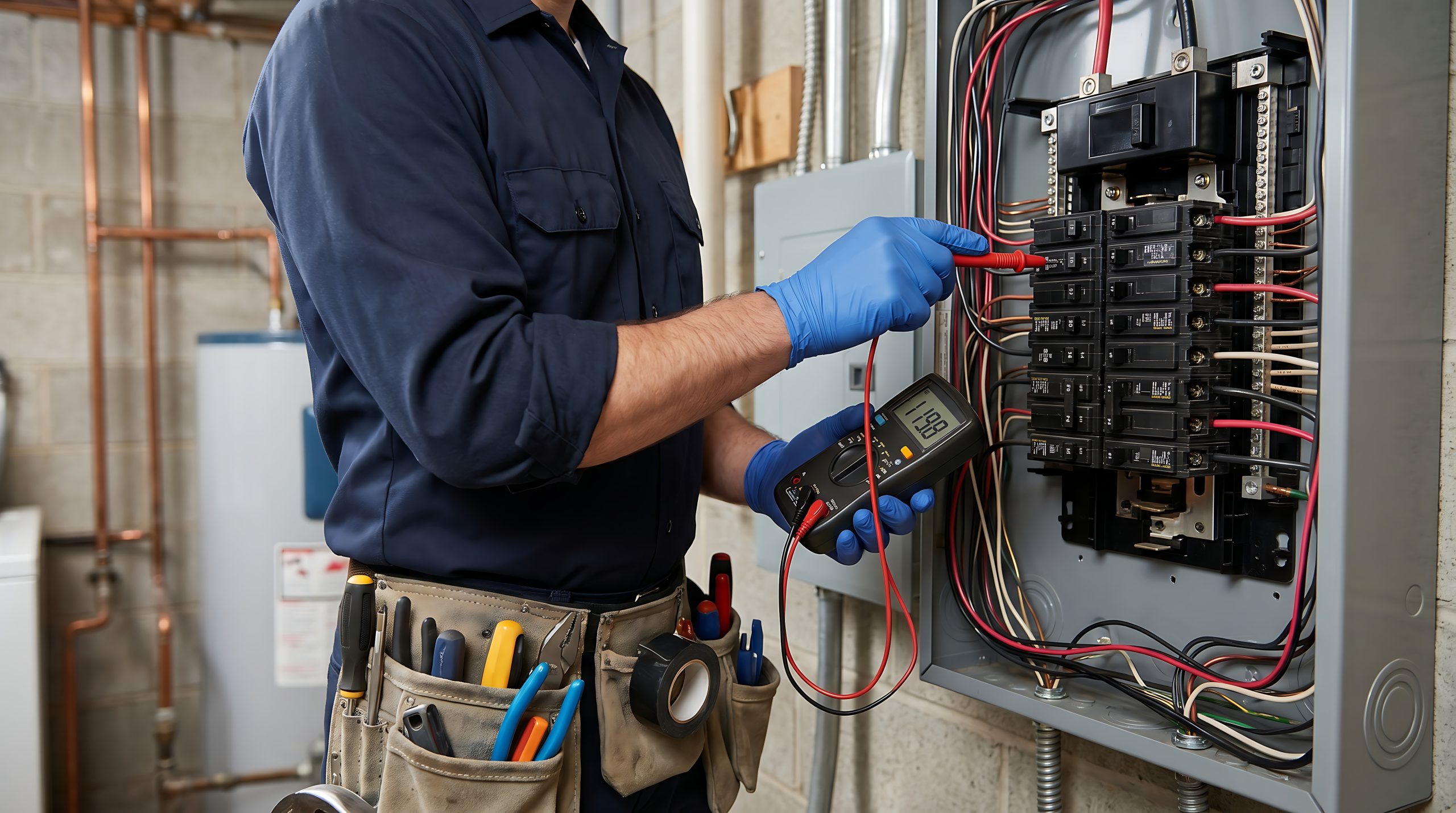
Occasional flickering isn’t necessarily an emergency. However, persistent or worsening flickering should be investigated.
Watch for these warning signs:
Frequent flickering:
If lights flicker regularly, there may be an underlying electrical problem.
Multiple lights flickering:
If several lights in different rooms are affected, the problem may involve more than one fixture.
Burning smells:
A burning or unusual electrical odor can indicate overheating wiring or components.
Buzzing or crackling:
Unusual sounds from outlets, switches, fixtures, or your electrical panel should be inspected.
Warm or discolored outlets:
Heat or discoloration can indicate an electrical connection problem.
Frequent breaker trips:
Repeatedly tripping breakers can indicate an overloaded or malfunctioning circuit.
Lights becoming unusually bright:
Significant changes in brightness can indicate a voltage problem that should be professionally evaluated.
ATTENTION
Don't Wait Until a Small Electrical Problem Becomes a Big One
Flickering lights are easy to dismiss, especially when everything appears to be working normally again. But electrical problems don’t always stay small.
A flickering light could be caused by a simple bulb or fixture issue—or it could be an early warning sign of an overloaded circuit, loose connection, outdated wiring, or electrical panel problem.
Having the problem properly diagnosed can give you peace of mind and help protect your home and family.
Frequently Asked Questions
Is it normal for lights to flicker?
Occasional flickering can happen when certain appliances start up or when a bulb or fixture is failing. However, frequent or persistent flickering should be investigated by a qualified electrician.
Why do my lights flicker when I turn on an appliance?
Large appliances can require a significant amount of electricity when they start. If the circuit or electrical system cannot adequately handle the demand, you may notice the lights dim or flicker.
Can flickering lights be dangerous?
They can be. Flickering may indicate loose connections, overloaded circuits, damaged wiring, or other electrical problems that can create safety hazards if left unresolved.
Should I replace the light bulb first?
If only one light is flickering, replacing the bulb is a reasonable first step. If the flickering continues or multiple lights are affected, the electrical system should be professionally evaluated.
Why are multiple lights in my house flickering?
When multiple lights are flickering, the problem may involve a circuit, electrical panel, wiring, or voltage supply rather than an individual light fixture.
How can I stop my lights from flickering?
The solution depends on the cause. A qualified electrician can troubleshoot the electrical system, identify the source of the problem, and recommend the appropriate repair or upgrade.
Contact Us for Expert Electrical Services
Don’t let flickering lights become something you simply learn to live with.
Whether the problem is a faulty fixture, overloaded circuit, outdated wiring, or an electrical panel issue, Fisher’s Electric can help identify the cause and recommend the right solution.
Our licensed electricians provide residential and commercial electrical services throughout the Baton Rouge area, including electrical troubleshooting, wiring, panel services, generator installation, surge protection, repairs, and more.
If your lights keep flickering, let Fisher’s Electric find out why.